

What you eat plays a vital role in keeping your heart strong and healthy. Whether you have a family history of heart disease, lifestyle risks, or have experienced a cardiac event, choosing the right foods can make a big difference.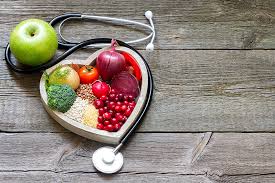
Heart disease is the leading cause of death in the United States, according to the CDC. But by following a heart-healthy eating plan, you can reduce your risk and improve your overall health.
Making dietary changes doesn’t mean giving up delicious food. Even small adjustments can have a significant impact on your heart wellness.
Components of a Heart-Healthy Diet
The American Heart Association recommends including:
-
Fruits and vegetables (fresh, frozen, or canned without added salt or sugar)
-
Whole grains like oats, brown rice, and whole wheat bread
-
Legumes such as beans, lentils, and peas
-
Low-fat or fat-free dairy products
-
Lean poultry without skin
-
Fish, especially fatty fish rich in omega-3 fatty acids like salmon and mackerel
-
Nuts and seeds, consumed in moderation
Limit your intake of red meat, sugary foods and drinks, salt, and unhealthy fats like saturated and trans fats.
Heart-Friendly Eating Tips
-
Cook using healthier methods such as baking, grilling, steaming, or sautéing instead of frying
-
Eat fish at least twice a week to benefit from omega-3 fatty acids
-
Reduce sugary drinks and snacks
-
Season foods with herbs, spices, lemon, or vinegar instead of salt
-
Control your portion sizes
-
Make half your plate fruits and vegetables
-
If you drink alcohol, do so in moderation
Alcohol and Heart Health
Moderate alcohol consumption means:
-
Up to 2 drinks per day for men
-
Up to 1 drink per day for women
A standard drink is 12 ounces of beer, 4 ounces of wine, or 1.5 ounces of spirits. Excessive alcohol intake can increase blood pressure and heart disease risk. Speak with your healthcare provider for personalized advice.
Limit Added Sugars
High sugar consumption is linked to obesity and heart disease. The AHA recommends:
-
Women: No more than 6 teaspoons (24 grams) of added sugar per day
-
Men: No more than 9 teaspoons (36 grams) per day
Common sources include soda, candy, baked goods, sweetened yogurts, and flavored cereals.
Reduce Sodium Intake
Too much sodium can raise blood pressure and strain your heart. Americans consume about 3,500 mg daily, but recommended limits are:
-
No more than 2,300 mg per day
-
Ideally, 1,500 mg daily for most adults
Lower sodium by cooking at home, choosing low-sodium products, avoiding processed foods, and using herbs and citrus for flavor instead of salt.
Caffeine and Your Heart
Caffeine is found in coffee, tea, soda, and chocolate. Moderate intake is generally safe, though unfiltered coffee may slightly raise cholesterol. Consult your doctor if you have heart or blood pressure concerns.
Calcium and Heart Health
Calcium supports strong bones and may help control blood pressure. Daily recommended amounts:
-
Women: 1,000 to 2,000 mg
-
Men: 1,000 to 2,500 mg, depending on age
Good sources include dairy and fortified foods. Supplements might be necessary—talk with your healthcare provider before starting any.
Other Key Nutrients for Your Heart
-
Potassium: Helps balance sodium and reduce blood pressure
-
Magnesium: Supports healthy heart rhythm
-
Vitamin D: May reduce inflammation and boost immunity
-
Vitamin E: Provides antioxidant protection
-
Omega-3 fatty acids: Reduce inflammation and improve cholesterol levels
In Summary
Your diet is a powerful tool for maintaining heart health. Small changes like eating more fruits and vegetables, cutting back on sugar and salt, and choosing healthy fats can make a big difference.
Start making heart-healthy choices today—your heart will thank you.